

How does our connection to home and heritage influence who we become? Our sense of self is deeply rooted in the places we call home and the heritage we inherit. These elements shape our values, beliefs, and identity, creating a foundation that guides us through life.
Understanding the significance of home and heritage helps us appreciate our journey and strengthens our sense of belonging. It provides a deeper insight into how our upbringing influences our personalities and future choices.
Let’s see how our connection to home and heritage plays a crucial role in developing a strong sense of identity and belonging.
What is Home Beyond a Physical Place?
Home is more than just a physical space, it’s where we first learn about the world. It’s where we form our earliest memories, absorb family values, and develop a sense of belonging. The environment of our home shapes our personality. A nurturing home fosters confidence and resilience, while a challenging one can teach us perseverance.
Home also provides a sense of stability. In a world that’s constantly changing, the familiarity of home offers comfort and security. Whether it’s the smell of a favorite meal or the sound of a loved one’s voice, these small details create a sense of continuity that grounds us. The Chemistry of Belonging by Neerja Raman explores how home is not just a place but an emotional and cultural anchor, shaping our identity and sense of self throughout life.
The Emotional Connection to Home
Home is often associated with emotions of love, safety, and belonging. The sights, sounds, and smells of home create a comforting environment. These emotional connections provide stability, especially during challenging times.
A strong emotional connection to home helps individuals maintain their sense of self even when they are far away. It becomes a source of comfort and a reminder of the values that shape their identity. The Chemistry of Belonging delves into the deep emotional ties individuals have with their homes and how these connections influence their relationships, decisions, and personal growth.
The Role of Heritage in Identity Formation
Heritage is the legacy we inherit from our ancestors. It includes traditions, values, and cultural practices passed down through generations. Heritage shapes our worldview. It teaches us about our roots and helps us understand where we come from.
Heritage also provides a sense of belonging. It connects us to a larger community, giving us a shared identity and purpose. Whether it’s celebrating festivals, practicing rituals, or speaking a native language, these traditions create a bond that transcends time and distance. Similarly, The Chemistry of Belonging examines how embracing one’s heritage reinforces self-worth and strengthens identity, highlighting the importance of preserving cultural traditions in an evolving world.
When individuals embrace their heritage, they gain a deeper understanding of their roots and a stronger sense of self-worth. This connection fosters a greater appreciation for the sacrifices made by previous generations.
How Parents Can Strengthen Children’s Connection to Heritage
Parents play a vital role in fostering a connection to home and heritage. By sharing family stories, participating in cultural events, and teaching traditions, they help children appreciate their background.
A strong sense of heritage provides children with confidence and a clear understanding of their identity. It encourages them to take pride in their roots and carry forward their family’s legacy. The Chemistry of Belonging illustrates how parental influence in shaping cultural identity helps children feel more secure, confident, and rooted in their heritage.
Passing Down Heritage to Future Generations
It is essential to pass down cultural heritage to future generations. Storytelling, family rituals, and language preservation help keep traditions alive. Parents play a key role in teaching children about their cultural background.
This process strengthens family bonds and ensures that cultural identity remains vibrant across generations. It helps children develop a sense of pride in their heritage and an appreciation for their family’s history. The Chemistry of Belonging highlights how generational storytelling and the preservation of traditions create a lasting impact on identity and belonging.
How Heritage Shapes Personal Values
Heritage influences personal values such as respect, compassion, and resilience. The lessons learned from elders and cultural stories become guiding principles in life. The Chemistry of Belonging emphasizes the lasting effects of inherited values, showcasing how deeply embedded cultural teachings shape character and influence decision-making.
These values help individuals navigate challenges and make decisions that align with their identity. They provide a moral compass that guides them through life’s ups and downs.
The Interplay Between Home and Heritage
Home and heritage are deeply intertwined. Our home is often the place where we first encounter our heritage. It’s where we learn family traditions, hear ancestral stories, and practice cultural rituals.
The values we learn at home are often rooted in our heritage. The interplay between home and heritage also influences our sense of belonging. When we feel connected to our roots, we are more likely to feel grounded and secure. This sense of belonging provides a strong foundation, enabling us to navigate the complexities of life with confidence. The Chemistry of Belonging explores this connection, showing how home acts as a vessel for passing down heritage and shaping identity.
The Healing Power of Home and Heritage
During times of uncertainty, returning to one’s roots can provide comfort and healing. Revisiting family traditions, old stories, or familiar places helps individuals reconnect with their sense of self. The Chemistry of Belonging highlights how cultural traditions and a sense of home provide emotional healing, stability, and a renewed sense of self during times of transition or hardship.
This connection acts as an anchor, offering emotional strength and resilience. It reminds individuals that they are part of something larger than themselves.
The Impact of Home and Heritage on Personal Growth
Our connection to home and heritage plays a crucial role in personal growth. It shapes our values, influences our decisions, and guides our actions. Home and heritage teach us important life lessons. They instill values like resilience, empathy, and gratitude, which are essential for personal growth.
Heritage also inspires us to strive for greatness. By learning about the achievements of our ancestors, we are motivated to carry forward their legacy. The Chemistry of Belonging reinforces the idea that understanding and embracing one’s heritage fosters inner strength, self-awareness, and the confidence to shape a meaningful future.
How The Chemistry of Belonging Explores Home and Heritage
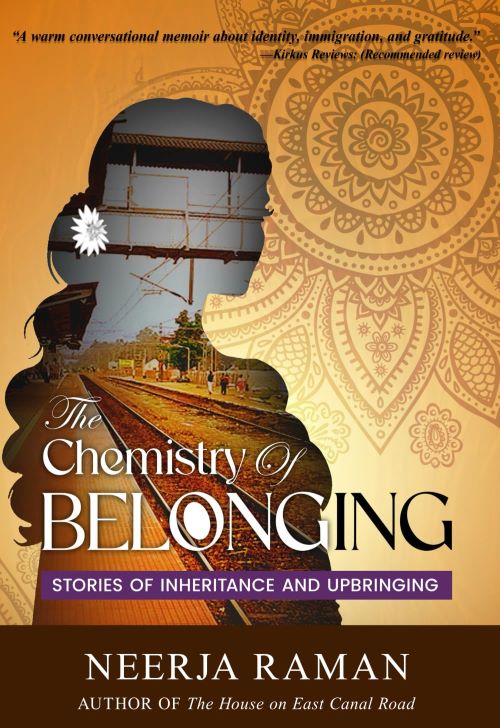
In The Chemistry of Belonging, Neerja Raman illustrates how home and heritage play a crucial role in shaping one’s identity. The book highlights the influence of family values, traditions, and cultural roots in developing a sense of belonging.
The memoir serves as a reminder that home is not just a place; it is the foundation of who we are. It emphasizes how the connection to our roots can guide us through life’s uncertainties.
Finding Identity in a Globalized World
In a rapidly globalizing world, it is easy to lose touch with one’s heritage. However, embracing cultural roots provides stability and a sense of self in an ever-changing environment.
Balancing modern life with cultural traditions helps individuals maintain their unique identity. It empowers them to navigate the complexities of globalization while staying true to their roots.
Final Thoughts
Home and heritage are essential in shaping one’s sense of self. They provide a foundation of values, traditions, and memories that guide us throughout life. Understanding and embracing our roots helps us navigate the complexities of identity and belonging.
Preserving these ties not only strengthens our identity but also enriches future generations with a legacy of love and tradition. By nurturing this connection, we create a bridge between the past, present, and future.
 Neerja Raman