
Immigrants across the world share a unique and often complex experience, one that involves balancing their native culture with that of their new homeland. Living between two cultures is both a challenge and a triumph, filled with moments of struggle, identity crisis, and resilience. Whether individuals leave their home country for economic opportunities, political stability, or a better future for their families, the transition is never easy. However, over time, many find ways to embrace both cultures, creating a hybrid identity that reflects their past and present.
This article explores the emotional, social, and practical difficulties immigrants face, as well as the inspiring ways they overcome them to build meaningful lives in a new country.
The Emotional Struggles of Cultural Adaptation
One of the first hurdles immigrants face is the emotional toll of cultural adaptation. Moving to a new country means leaving behind family, traditions, and familiar surroundings. The sense of isolation can be overwhelming, especially when language barriers and cultural differences make it difficult to form new connections.
Many immigrants experience homesickness and nostalgia for their native land. The memories of childhood, the taste of home-cooked meals, and the warmth of their original community often make them feel like outsiders in their new environment. Additionally, the pressure to assimilate while still holding onto one’s heritage can cause an identity crisis. Immigrants often struggle with questions like: Who am I now? Am I more connected to my homeland or my new country?
For children of immigrants, this identity crisis can be even more pronounced. They grow up navigating two different cultural expectations, one at home and another outside. While their parents encourage them to uphold traditional customs, their peers may not understand or accept those traditions, leading to feelings of alienation.
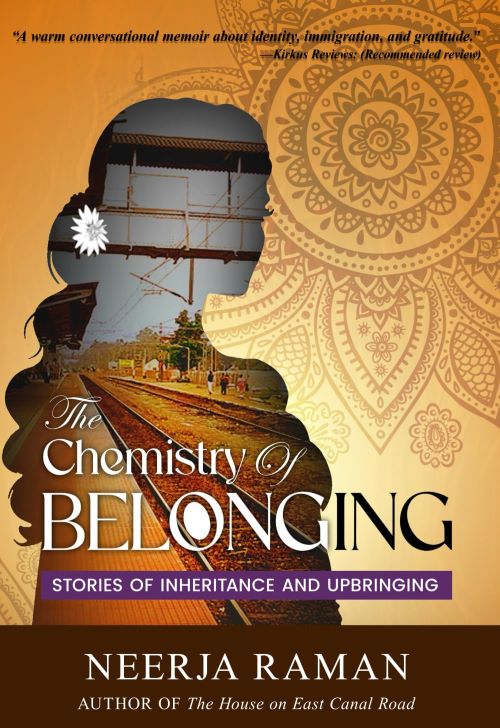
In The Chemistry Of Belonging: Stories Of Inheritance And Upbringing, Neerja Raman explores these emotional complexities, weaving personal history with broader cultural narratives. Through rich storytelling, she highlights how upbringing and inherited values shape our perceptions of identity and belonging. Her reflections serve as a guiding light for immigrants navigating the intricate balance between past and present.
The Challenge of Language and Communication
Language barriers are one of the most significant obstacles immigrants face. Even if they have some proficiency in the local language, speaking fluently and confidently in daily interactions can be intimidating. Many immigrants feel self-conscious about their accents or fear being misunderstood, which can hinder them from seeking better jobs or socializing freely.
Limited language skills often lead to economic struggles, as many immigrants end up working in low-wage jobs that do not require advanced communication. Even highly educated immigrants may find their credentials unrecognized, forcing them to start from scratch in a new career.
However, language acquisition is also one of the greatest triumphs for immigrants. Over time, many dedicate themselves to learning the new language, attending classes, practicing with native speakers, and even passing on their bilingual skills to their children. The ability to communicate in multiple languages becomes a valuable asset, opening up new opportunities in education, business, and personal relationships.
Neerja Raman’s book touches on the importance of language and its role in shaping identity. Just as her ancestors navigated linguistic diversity in India, today’s immigrants must find ways to integrate new languages while preserving their mother tongues.
Navigating Social and Cultural Differences
Cultural differences can make everyday interactions challenging. From social norms to workplace etiquette, immigrants must learn a new set of unwritten rules to fit into their new society. For instance, in some cultures, direct eye contact is considered rude, while in others, it signifies confidence. The concept of personal space, punctuality, and even humor can vary significantly between cultures, leading to misunderstandings.
Another major challenge is dealing with discrimination and prejudice. Despite living in a diverse world, immigrants often face stereotypes and biases based on their ethnicity, religion, or nationality. Some may feel pressured to change their names, dress differently, or alter their behavior to avoid negative attention.
Despite these challenges, immigrants also bring unique perspectives and enrich the cultural fabric of their new country. Many introduce their traditions, food, music, and art, which eventually become part of the mainstream culture. Festivals, cuisine, and language influence from immigrant communities often shape the broader society in profound ways.
Through the stories in The Chemistry Of Belonging: Stories Of Inheritance And Upbringing, Raman showcases how cultural heritage is a powerful tool for resilience. Her narrative encourages immigrants to embrace their roots while forging new paths, demonstrating that belonging is not about choosing one culture over another but about integrating both.
The Strength of Community and Belonging
One of the greatest sources of strength for immigrants is community support. Ethnic enclaves, cultural organizations, and religious groups play a crucial role in helping immigrants adjust to their new surroundings. These communities provide emotional support, job opportunities, language assistance, and cultural events that help immigrants stay connected to their roots.
For example, in major cities worldwide, neighborhoods like Chinatown, Little Italy, or Latin American districts serve as cultural hubs where immigrants can find comfort in familiar surroundings while still participating in their new society. These areas provide an essential bridge between the old and the new, offering a sense of belonging to those who might otherwise feel displaced.
Social media and technology have also helped immigrants stay connected with loved ones back home while building relationships in their new country. Video calls, online forums, and social networks enable immigrants to maintain their cultural identity while engaging with their new society.
Neerja Raman’s personal journey mirrors these experiences. Her book is a testament to the power of community and how shared experiences foster a sense of belonging, no matter where one is in the world.
Conclusion: A Story of Strength and Hope
Living between two cultures is a journey filled with trials and triumphs. Immigrants endure emotional hardships, language barriers, social challenges, and economic struggles. However, their perseverance, adaptability, and resilience help them build meaningful lives in their new home.
The contributions of immigrants are invaluable, shaping societies in countless ways. They bring diversity, innovation, and cultural richness to their new countries, proving that while the road to integration may be tough, it is also deeply rewarding.
Despite the struggles, many immigrants find a sense of belonging in both their native and adopted cultures. They become storytellers of resilience, passing down their experiences to future generations, who continue to shape the world with the strength of their dual identities.
In The Chemistry of Belonging, Neerja Raman provides an inspiring perspective on these themes. Through her stories of inheritance and upbringing, she reminds us that identity is not just about where we come from but also about the values and experiences we carry forward.
 Neerja Raman