
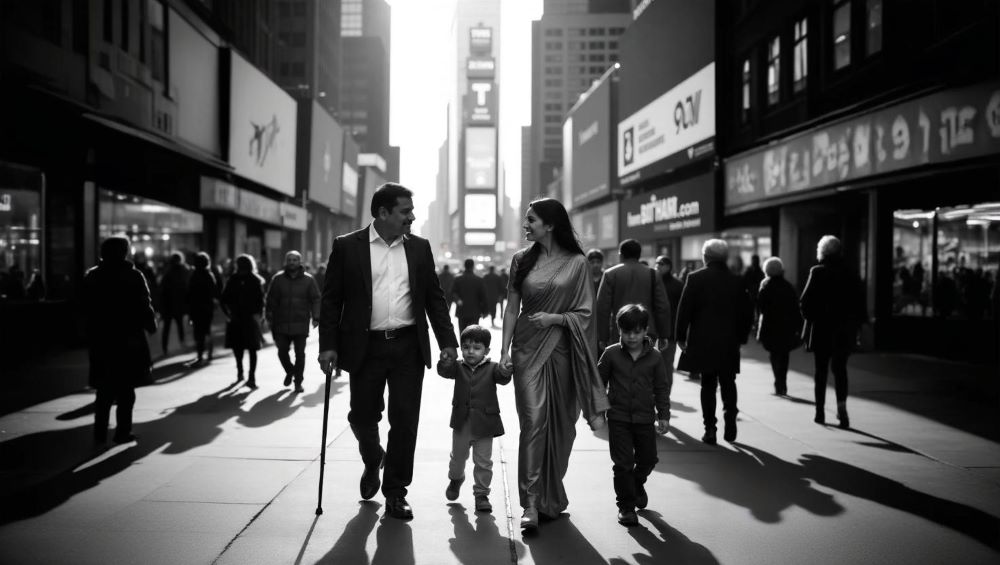
How can families preserve meaningful traditions while adapting to modern cultural shifts? In a rapidly changing world, families often find themselves at a crossroads. On one hand, there’s a desire to honor cherished traditions passed down through generations. Striking a balance between the two can be challenging, but it’s essential for maintaining a sense of identity and continuity.
Cultural shifts often challenge long-standing traditions, making it necessary to adapt without losing the essence of family heritage. Families that successfully preserve traditions can create a sense of continuity and belonging across generations.
Let’s explore how families can preserve meaningful traditions while adapting to modern cultural shifts, creating a balance between the old and the new.
The Impact of Cultural Shifts
Cultural shifts are inevitable in a globalized world. Advances in technology, migration, and changing social norms have transformed the way we live. While these changes bring new opportunities, they can also create tension between tradition and modernity.
For many families, cultural shifts can lead to a sense of disconnection. Younger generations may feel torn between embracing new ideas and honoring old traditions. This can result in a loss of cultural identity and a weakening of family bonds.
However, cultural shifts also offer opportunities for growth. They encourage families to adapt and evolve, finding new ways to connect with their heritage. By embracing change while staying true to their roots, families can create a dynamic and inclusive environment.
The Importance of Family Traditions
Family traditions are the threads that weave the fabric of our identity. They connect us to our roots, providing a sense of belonging and continuity. Whether it’s celebrating festivals, preparing traditional meals, or sharing stories, these rituals create lasting memories and strengthen family bonds.
Traditions like these serve as a reminder of where we come from, grounding us in a world that’s constantly evolving. Family traditions also teach important values. They pass down lessons about respect, gratitude, and resilience, which are essential for personal growth. By preserving these rituals, families can ensure that these values continue to guide future generations.
Balancing Tradition and Modernity
Finding a balance between tradition and modernity requires intentionality and creativity. It’s about preserving the essence of family traditions while adapting them to fit contemporary lifestyles. Here are some strategies to achieve this balance:
1. Adapt Traditions to Modern Contexts
Traditions don’t have to be rigid. They can be adapted to suit modern contexts without losing their meaning. For example, families can celebrate festivals with a mix of traditional and modern elements. This could include preparing traditional dishes alongside new recipes or incorporating technology to connect with distant relatives.
2. Create New Traditions
Cultural shifts provide an opportunity to create new traditions that reflect the values and interests of the current generation. These new rituals can coexist with old ones, enriching the family’s cultural tapestry.
For instance, families can establish traditions around shared hobbies or interests, such as cooking together, traveling, or volunteering. These activities not only strengthen family bonds but also create a sense of continuity and belonging.
3. Foster Open Communication
Open communication is key to navigating cultural shifts. Families should encourage dialogue about the importance of traditions and the need for change. By involving all generations in these conversations, families can find common ground and create a shared vision for the future.
4. Embrace Hybrid Identities
In a multicultural world, many families have hybrid identities that blend elements of different cultures. Embracing this diversity can enrich family traditions and create a more inclusive environment.
For example, families can incorporate traditions from different cultures into their celebrations. This not only honors their heritage but also fosters a sense of unity and respect for diversity.
Modern Technology and Traditions
Technology has transformed the way families celebrate traditions. Video calls, social media, and digital archives allow families to document and share customs across generations. These tools help bridge the gap between tradition and modern life.
By embracing technology, families can preserve traditions in innovative ways. Online platforms can host virtual gatherings, and digital photo albums can capture precious memories that might otherwise be lost.
Finding Balance Between Old and New Traditions
Striking a balance between old and new traditions allows families to honor their heritage while adapting to changing times. Combining classic customs with modern practices creates a harmonious blend that resonates with all generations.
This balance fosters inclusivity and ensures that traditions remain vibrant and relevant. Families can modify rituals to fit their current circumstances while preserving the essence of the practice.
How The Chemistry of Belonging Highlights Family Traditions
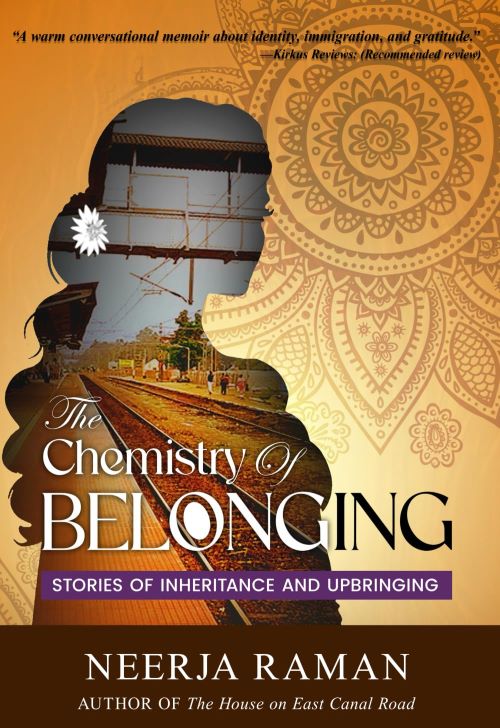
In The Chemistry of Belonging, Neerja Raman explores how family traditions shape identity amidst cultural shifts. The memoir illustrates how blending old customs with modern practices can strengthen a sense of belonging. Personal stories highlight the importance of adapting traditions while honoring their original meaning.
The book serves as a powerful reminder that traditions are not static; they evolve with time while preserving their core values. This message encourages families to view change as an opportunity to enhance traditions rather than abandon them.
Challenges in Preserving Traditions
Preserving traditions can be challenging in a fast-paced world. Busy schedules, geographic distances, and generational differences can make it difficult to maintain customs. Additionally, younger generations may not always see the relevance of certain traditions.
However, with conscious effort and creativity, families can find ways to adapt traditions to fit modern lifestyles. Flexibility and open-mindedness are essential for keeping traditions alive.
Tips for Preserving Family Traditions
- Document family recipes and stories in a shared journal.
- Organize annual family gatherings, even if they are virtual.
- Involve younger generations in planning and participating in traditions.
- Use technology to create digital photo albums and memory archives.
- Encourage open conversations about the importance of traditions.
- Blend old customs with modern elements to create new traditions.
Conclusion
Cultural shifts and family traditions can coexist harmoniously. By adapting traditions to modern life, families can preserve their heritage while embracing change. Open communication, inclusivity, and creativity help maintain the essence of traditions across generations.
By striking a balance between old and new, families create a legacy that celebrates both heritage and progress. Embracing this balance ensures that family traditions remain a vital part of our identity for generations to come.
The Chemistry of Belonging reinforces this idea, illustrating how individuals navigate the evolving cultural landscape while staying connected to their roots. The book reminds us that belonging is not about choosing between tradition and modernity but about integrating both to build a stronger sense of self and community.
 Neerja Raman