
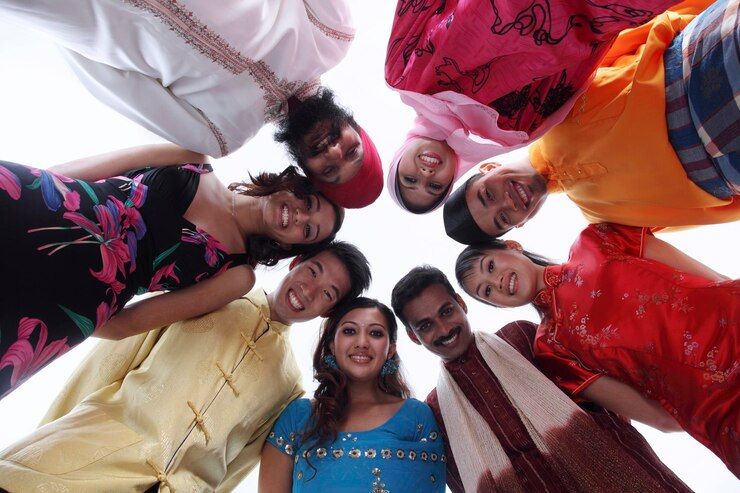
In today’s increasingly interconnected world, the ability to understand and appreciate diverse cultures is no longer a luxury, it is a necessity. Whether in our personal relationships or professional environments, cultural awareness plays a vital role in shaping how we interact, collaborate, and thrive. By building bridges across cultures, we not only enrich our own lives but also contribute to a more inclusive, empathetic, and effective society.
The Personal Impact of Cultural Understanding
At a personal level, cultural understanding allows individuals to develop empathy, openness, and tolerance. When we take the time to learn about different traditions, languages, customs, and worldviews, we are more likely to see people for who they are rather than through the lens of stereotypes or assumptions.
For example, learning about the significance of Ramadan for Muslims, Diwali for Hindus, or Chinese New Year for Chinese communities helps foster respect and consideration. This sensitivity can deepen friendships, prevent misunderstandings, and enhance mutual respect. Relationships built on cultural respect tend to be more authentic and resilient.
Moreover, understanding different cultures broadens our worldview. It challenges us to reflect on our own cultural norms and assumptions, leading to personal growth. It encourages curiosity and a lifelong learning mindset. This makes us more adaptable and open to new experiences, qualities that are essential for navigating a world full of diversity and change.
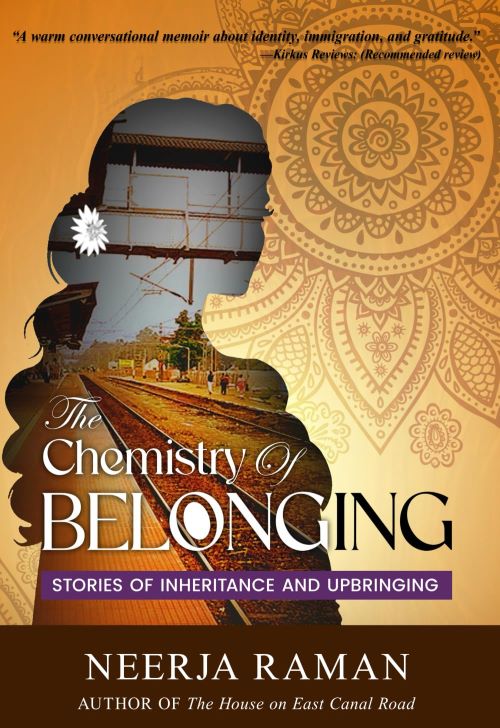
Neerja Raman’s The Chemistry of Belonging: Stories of Inheritance and Upbringing. Through heartfelt storytelling, Raman captures the power of tradition, memory, and cross-cultural understanding in shaping who we are—and how we relate to others.
Professional Advantages of Cultural Awareness
In the professional world, cultural intelligence, also known as CQ (Cultural Quotient), has become as important as IQ and EQ. Today’s workplaces are more diverse than ever, comprising individuals from various ethnic, national, and religious backgrounds. Companies often operate across borders, working with clients, partners, or employees from different parts of the world.
When professionals understand and appreciate cultural diversity, they can communicate more effectively, avoid conflict, and collaborate better. This can lead to increased productivity, innovation, and team harmony. A culturally aware employee knows that a nod may mean agreement in one culture and simply acknowledgment in another. Such nuances can be the difference between closing a deal and losing a client.
Leaders who embrace diversity and foster an inclusive environment are also better at motivating teams and retaining talent. Employees are more likely to feel valued and respected when their cultural identities are acknowledged and celebrated.
Furthermore, companies that prioritize cultural understanding often perform better in global markets. They can tailor products, services, and marketing strategies to different cultural preferences, resulting in greater customer satisfaction and business growth.
Breaking Down Barriers
One of the most significant benefits of cultural understanding is its power to break down barriers, social, emotional, and professional. Misunderstandings rooted in cultural differences can create tension and alienation. For instance, in some cultures, direct eye contact is seen as a sign of confidence, while in others, it may be considered rude. Without awareness, such differences can lead to misjudgments.
Cultural competence enables people to navigate such differences with grace. It fosters dialogue, cooperation, and mutual respect, helping to create environments where everyone feels heard and understood. In educational settings, for example, students from diverse backgrounds thrive when their identities are respected, and inclusive teaching methods are used.
Real-World Examples of Cultural Bridges
Consider the success stories of global companies like Google, Unilever, or McDonald’s. These brands have mastered the art of localizing their approaches without compromising their core values. McDonald’s, for example, offers a McAloo Tikki burger in India, a Teriyaki McBurger in Japan, and a McArabia in the Middle East, demonstrating sensitivity to local tastes and cultures.
On a smaller scale, community events like multicultural festivals, language exchange programs, or international food fairs are great examples of how people can celebrate differences while finding common ground. These events encourage people to share stories, traditions, and experiences, promoting unity through diversity.
How to Cultivate Cultural Understanding
Cultural understanding doesn’t happen overnight, it requires intentional effort and open-mindedness. Here are a few practical ways individuals and organizations can build cultural bridges:
- Education and Exposure: Read books, watch documentaries, or listen to podcasts that explore different cultures. Travel, if possible, to immerse yourself in different environments and lifestyles.
- Language Learning: Even basic knowledge of another language can go a long way in demonstrating respect and fostering deeper connections.
- Cultural Exchange: Engage in conversations with people from different backgrounds. Ask questions, share experiences, and be willing to learn without judgment.
- Training and Workshops: Many organizations now offer cultural competency training to employees. These workshops help participants recognize unconscious biases and develop inclusive communication strategies.
- Celebrate Cultural Events: Encourage the celebration of various cultural holidays and events in schools, workplaces, and communities. It’s a powerful way to build respect and understanding.
- Practice Empathy and Active Listening: Understanding culture isn’t just about facts, it’s about perspective. Try to see the world through someone else’s eyes.
The Ripple Effect
The impact of cultural understanding goes beyond individual benefits, it contributes to social cohesion, peace, and progress. When people from different backgrounds coexist with mutual respect and understanding, they create inclusive societies where everyone has a voice and opportunity. In such societies, collaboration thrives, conflict is minimized, and innovation soars.
In politics, diplomacy, and international relations, cultural fluency can be a powerful tool for building alliances, resolving disputes, and promoting global cooperation. The ability to empathize with another nation’s history, values, and struggles can open doors to peaceful negotiations and shared solutions.
Conclusion
In a world marked by diversity, building bridges through cultural understanding is one of the most valuable investments we can make—personally, professionally, and collectively. It helps us become better friends, colleagues, leaders, and citizens. It fosters empathy over ignorance, cooperation over division, and respect over prejudice.
By committing to learning about and respecting different cultures, we don’t just enhance our own lives, we contribute to a more united, compassionate, and successful world. In the end, it’s not about blending all cultures into one, but celebrating the mosaic that makes humanity beautiful.
 Neerja Raman