

Storytelling is an ancient art that has been used for centuries to pass down knowledge, traditions, and values. It is through stories that families share their history, allowing future generations to understand where they come from and what shaped their lineage. Family narratives serve as a bridge between the past and the present, connecting individuals to their roots and giving them a sense of belonging.
This article examines the transformative power of storytelling in uncovering family history and how it helps individuals connect with their cultural and ancestral legacy.
The Role of Storytelling in Preserving Family History
Family stories are much more than mere recollections of the past. They are oral traditions that provide context to historical events, familial struggles, and achievements. Storytelling helps preserve family history by keeping important narratives alive across generations.
1. Passing Down Traditions and Values
Family stories often contain moral lessons, customs, and beliefs that define a family’s identity. These narratives serve as a way to instill values such as resilience, compassion, and perseverance in younger generations. Whether it is a grandparent recounting tales of migration or a parent sharing childhood experiences, these stories become the foundation upon which family traditions are built.
2. Bridging Generational Gaps
Storytelling fosters intergenerational connections, allowing younger family members to engage with the experiences of their elders. By listening to stories of struggles and triumphs, children and grandchildren develop a deeper appreciation for their ancestors’ sacrifices and contributions. This creates a sense of continuity and strengthens familial bonds.
3. Humanizing the Past
Historical events often feel distant and impersonal when read in textbooks. However, when narrated through the lens of family experiences, history becomes relatable and engaging. Stories about war, migration, economic hardships, or cultural transformations become more meaningful when tied to personal experiences, making the past come alive for younger generations.
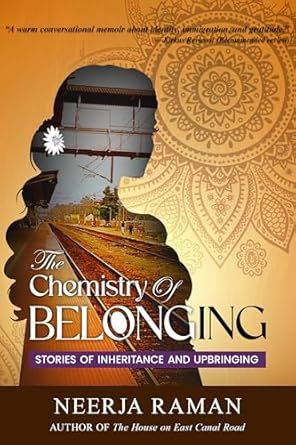
In her book The Chemistry of Belonging: Stories of Inheritance and Upbringing, Neerja Raman explores how storytelling plays a crucial role in understanding one’s cultural identity. Through the lens of personal and collective memories, Raman delves into the intricate relationship between storytelling and the preservation of family heritage.
Storytelling as a Tool for Identity Formation
Understanding family history through storytelling plays a significant role in shaping personal and cultural identity. The stories we hear about our ancestors contribute to our sense of self and our connection to a larger community.
1. Understanding One’s Roots
Every individual carries a unique cultural heritage that is embedded in their family history. Through storytelling, people can trace their lineage and understand the customs, traditions, and struggles that shaped their ancestors’ lives. This awareness fosters a strong sense of identity and belonging.
2. Finding Strength in Family Narratives
Many family stories highlight perseverance in the face of adversity. Learning about the hardships faced by previous generations can provide individuals with inspiration and strength. Knowing that one’s ancestors overcame challenges instills confidence and resilience, helping individuals navigate their own struggles.
3. Strengthening Cultural Pride
Cultural heritage is often passed down through stories that highlight traditions, festivals, and customs. By engaging with these narratives, individuals develop a greater appreciation for their cultural identity and take pride in their heritage. This fosters a sense of belonging within a larger ethnic or cultural group.
The Science Behind Storytelling and Memory
Stories have a unique way of engaging the brain. Neuroscientific studies have shown that storytelling activates multiple parts of the brain, making information more memorable and emotionally impactful.
1. Enhancing Memory Retention
The brain processes stories differently from factual information. When a story is told, it activates the sensory cortex, motor cortex, and frontal cortex, creating a more immersive experience. This makes stories easier to remember compared to isolated facts.
2. Creating Emotional Connections
Stories evoke emotions, which play a significant role in memory formation. When individuals hear family stories that resonate emotionally, they are more likely to remember them and pass them on to future generations. This emotional connection reinforces familial ties and strengthens a shared sense of history.
3. Facilitating Learning Through Narrative Structure
The structured format of storytelling, beginning, conflict, and resolution, helps individuals understand complex information in an engaging way. This is why oral traditions have been a primary mode of learning for centuries, allowing knowledge to be passed down effectively.
Digital Storytelling: Modern Methods of Preserving Heritage
With technological advancements, storytelling has evolved beyond oral traditions. Families now use digital tools to document their history, ensuring that their stories remain accessible to future generations.
1. Recording Oral Histories
Digital platforms allow families to record and preserve oral histories through audio and video recordings. These recordings ensure that family stories remain intact and are available for future generations to hear directly from their elders.
2. Creating Digital Archives
Families can compile photographs, letters, and documents into digital archives that provide a rich history of their ancestry. These archives can be shared online, making it easier for extended family members to contribute and access family history.
3. Social Media and Family Storytelling
Social media platforms have become a modern tool for storytelling. Families can create private groups to share old photographs, anecdotes, and memories, fostering a collective sense of history. This enables relatives from different parts of the world to stay connected through shared narratives.
The Power of Storytelling in Healing and Reconciliation
Family stories are not always about triumphs; they also include struggles, conflicts, and losses. Storytelling can be a powerful tool for healing and reconciliation within families.
1. Addressing Family Conflicts
Sharing stories about past misunderstandings or disputes can provide a new perspective on family conflicts. It allows individuals to see events from different viewpoints, fostering understanding and empathy.
2. Processing Intergenerational Trauma
Many families have histories of displacement, war, or discrimination. Telling these stories allows individuals to acknowledge and process past traumas, promoting healing and closure.
3. Celebrating Life and Legacy
Storytelling is a way to honor and remember ancestors. By recounting their experiences, families keep their legacies alive, ensuring that their contributions and sacrifices are not forgotten.
As Neerja Raman highlights in The Chemistry Of Belonging: Stories Of Inheritance And Upbringing, storytelling is essential in shaping personal and collective identity. By embracing both oral and digital storytelling methods, families can ensure that their history remains alive for generations to come. In an ever-changing world, storytelling serves as a timeless tool that connects the past with the present, fostering a sense of belonging and continuity for the future.
Conclusion
Storytelling is a powerful tool for preserving family history and heritage. It connects generations, instills values, and strengthens identity. By sharing stories, families create a legacy that lasts beyond lifetimes. The wisdom passed down through stories helps shape the future while honoring the past. Embracing storytelling ensures that family history remains alive for generations to come. It preserves cultural identity and fosters a sense of belonging and pride in one’s roots. In a world that is constantly evolving, stories are the threads that keep families connected to their heritage.
 Neerja Raman