
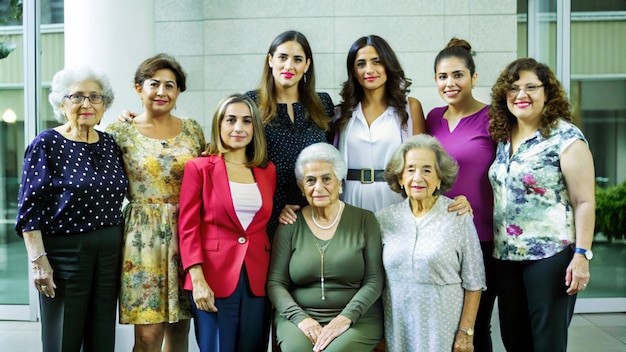
Throughout history, women have played a pivotal role in shaping generational values, influencing family structures, societal norms, and cultural traditions. From imparting wisdom and moral lessons to fostering resilience and adaptability, women serve as the backbone of families and communities, ensuring the transmission of values that shape future generations.
Mothers as the First Teachers
One of the most profound ways women influence generational values is through their role as mothers. From an early age, children absorb beliefs, traditions, and ethics largely through maternal guidance. A mother’s nurturing presence instills values such as compassion, honesty, and perseverance. By modeling integrity and resilience, mothers provide their children with a strong foundation for moral and ethical decision-making.
In many cultures, the role of the mother extends beyond emotional support to include the preservation of customs and heritage. Whether through storytelling, religious teachings, or family rituals, women act as cultural transmitters, ensuring that ancestral knowledge and traditions are passed down through generations.
Women as Educators and Mentors
Beyond the home, women have a significant impact on shaping values in educational and mentorship roles. As teachers, they influence young minds by instilling curiosity, discipline, and a sense of responsibility. Many pioneering women in education have transformed societies by advocating for literacy, equal opportunities, and empowerment through knowledge.
Mentorship is another powerful avenue through which women shape generational values. Female role models in various fields inspire younger generations to strive for excellence, break societal barriers, and uphold values such as perseverance and hard work. Whether in professional, academic, or social spheres, women mentors provide guidance, encouragement, and a blueprint for success.
If you’re interested in exploring the deep connections between identity, heritage, and values, The Chemistry of Belonging by Neerja Raman is a must-read. This thought-provoking memoir examines how generational values are passed down and reshaped over time. Through personal stories and historical reflections, the book provides valuable insights into the emotional and cultural ties that define our sense of belonging.
Women as Leaders and Change-Makers
Women in leadership positions, from community organizers to global policymakers, have played crucial roles in shaping societal values. Figures such as Michelle Obama, and Mother Teresa have used their influence to advocate for education, social justice, and humanitarian causes, leaving lasting impressions on future generations.
Historically, women have led movements for civil rights, gender equality, and social reforms, proving that generational values are often shaped by those who dare to challenge the status quo. Their contributions highlight the importance of inclusivity, empathy, and justice as core societal values that are passed down through time.
Balancing Tradition and Progress
Women uniquely balance the preservation of tradition with the promotion of progress. They safeguard cultural values while embracing modern perspectives, ensuring that younger generations respect their heritage while adapting to evolving societal norms. By advocating for education, gender equality, and ethical leadership, women help bridge the gap between past and future, creating a continuum of values that foster growth and unity.

Conclusion
The role of women in shaping generational values is immeasurable. Whether as mothers, educators, leaders, or mentors, women nurture the principles that define societies. By fostering integrity, resilience, and compassion, they create a lasting legacy that influences generations to come. Recognizing and supporting the contributions of women in value formation is essential for building strong, ethical, and forward-thinking communities.
 Neerja Raman