
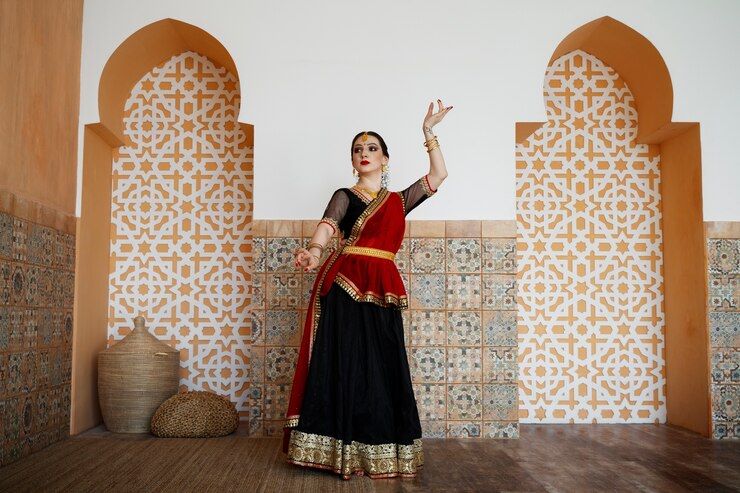
Culture is the invisible force that shapes our identity, values, and beliefs. It is passed down from one generation to another through traditions, customs, language, and social norms. From childhood, our upbringing is deeply embedded in the cultural legacy of our family and society. This inheritance plays a crucial role in determining our worldview, behavior, and aspirations. Whether we embrace it, reject it, or modify it, culture remains an indelible part of who we are.
This article explores how cultural legacy and inheritance influence individual identity and societal development.
The Meaning of Cultural Legacy
Cultural legacy refers to the traditions, values, and customs that are transmitted across generations. It encompasses elements such as language, religion, arts, cuisine, and social etiquette. Our cultural inheritance shapes our interactions with the world, dictating what is considered acceptable or taboo. For instance, some cultures prioritize collectivism and familial duty, while others emphasize individualism and personal ambition. These contrasting ideologies influence how individuals approach relationships, careers, and personal growth.
One of the strongest aspects of cultural inheritance is language. Language is not just a tool for communication; it is a vessel of history, values, and identity. The words and phrases we use reflect the beliefs and traditions of our ancestors. A bilingual or multilingual upbringing, for example, provides individuals with a broader perspective on the world, allowing them to connect with multiple cultures and viewpoints.
How Upbringing Shapes Identity
From infancy, children absorb the cultural norms of their environment. Parents, teachers, and communities play a critical role in imparting these values. Cultural upbringing dictates how individuals perceive authority, family roles, gender expectations, and morality.
1. Family Influence
The family is the primary unit of cultural transmission. Parents pass down traditions through storytelling, religious practices, and celebrations. A child raised in a household that prioritizes education and discipline may grow up with a strong work ethic. Conversely, a child nurtured in an environment that values artistic expression may develop a passion for creativity and innovation.
2. Religious and Moral Teachings
Religion is a significant component of cultural inheritance. It dictates moral values, ethical guidelines, and social conduct. For example, many religious traditions instill the principles of compassion, honesty, and charity from an early age. Even those who do not strictly follow religious practices are often influenced by the moral frameworks established in their cultural upbringing.
3. Societal Norms and Expectations
Every culture has specific societal expectations that shape individual behavior. In some societies, hierarchical structures demand deep respect for elders and authority figures. In others, equality and open dialogue are emphasized. These societal norms influence how individuals approach leadership, relationships, and professional environments.
4. Educational and Economic Background
The level of education and economic resources available during childhood significantly impact an individual’s aspirations and achievements. Cultures that place a strong emphasis on education tend to produce individuals who value knowledge and academic excellence. Economic conditions also play a role in shaping opportunities and access to resources, ultimately influencing career choices and social mobility.
Cultural Inheritance in a Globalized World
In today’s interconnected world, cultural inheritance is evolving. Exposure to different cultures through travel, media, and technology has led to a blending of traditions. Many individuals grow up in multicultural environments where they are influenced by diverse customs and values. This cross-cultural exchange fosters adaptability, open-mindedness, and new perspectives.
However, globalization also presents challenges. Traditional customs may be diluted or lost in the process of modernization. Younger generations might struggle with balancing their inherited cultural values with contemporary societal norms. For example, children of immigrants often find themselves caught between the traditions of their ancestral culture and the expectations of their host country.
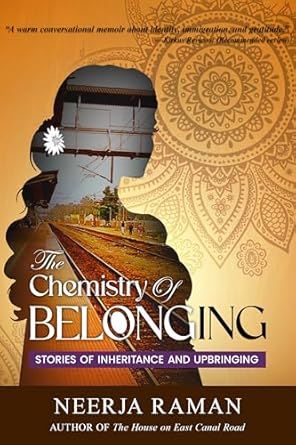
Despite these challenges, cultural inheritance remains vital. Many communities strive to preserve their heritage through cultural festivals, language programs, and storytelling. Organizations and governments also play a role in promoting cultural education and heritage conservation. Neerja Raman, in her book The Chemistry of Belonging: Stories of Inheritance and Upbringing, explores the nuanced ways in which cultural heritage influences identity, demonstrating how storytelling and familial values shape one’s sense of belonging in an evolving world.
The Psychological and Emotional Impact of Cultural Legacy
Cultural inheritance influences not only our behavior but also our emotional and psychological well-being. A strong cultural identity provides a sense of belonging and self-esteem. Knowing one’s cultural roots can instill pride and confidence in individuals, helping them navigate challenges with resilience.
At the same time, cultural expectations can sometimes create pressure and conflict. Individuals who feel restricted by rigid traditions may struggle with self-expression or personal aspirations. This is particularly evident in issues related to gender roles, career choices, and lifestyle preferences. The challenge, therefore, is to strike a balance between respecting one’s cultural heritage and fostering individual growth.
Embracing and Redefining Cultural Inheritance
Cultural inheritance is not static; it evolves with time. Each generation has the power to reinterpret traditions in ways that align with contemporary values. While it is important to preserve cultural roots, it is equally essential to allow room for growth and change.
1. Encouraging Cultural Education
Schools and institutions should emphasize the importance of cultural history and heritage. By learning about their own cultural background and others, individuals develop appreciation and respect for diversity.
2. Promoting Cross-Cultural Dialogue
Interacting with people from different cultural backgrounds fosters mutual understanding. Whether through travel, friendships, or professional collaborations, exposure to different perspectives helps break stereotypes and encourages inclusivity.
3. Balancing Tradition and Individuality
While traditions provide stability and a sense of identity, they should not limit personal growth. Individuals should have the freedom to question and redefine cultural norms in ways that resonate with their values and aspirations.
4. Preserving and Innovating Cultural Practices
Instead of discarding old traditions, societies can find innovative ways to keep them relevant. For example, digital storytelling, online cultural archives, and modern interpretations of traditional art forms can help sustain cultural heritage in the digital age.
Conclusion
Cultural legacy and inheritance play a fundamental role in shaping who we are. They provide the foundation for our values, beliefs, and social interactions. While cultural upbringing offers a sense of identity and continuity, it should also allow for evolution and adaptation in a changing world. By embracing both our inherited traditions and the diverse influences of modern society, we can foster a more inclusive and dynamic cultural landscape. In doing so, we honor the past and create a future that respects individuality while celebrating shared heritage.
 Neerja Raman